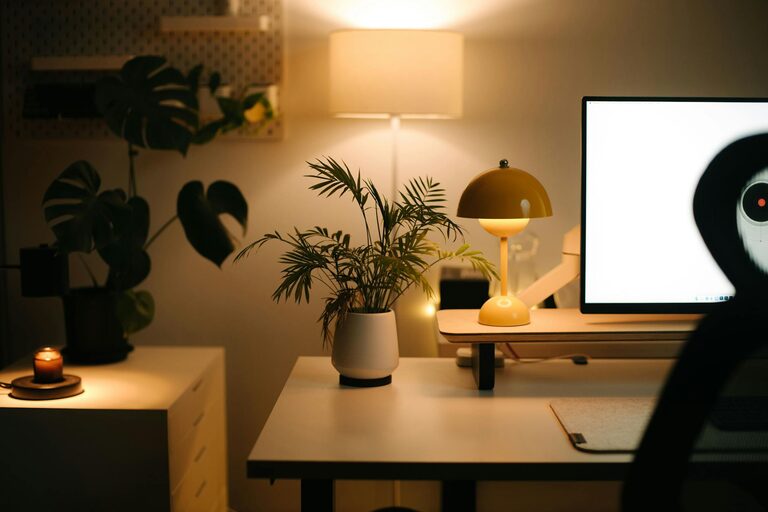
Creating a cozy and inviting home workspace is essential for maintaining focus, comfort, and productivity, especially if you spend many hours working from home. A well-designed workspace can boost your mood, encourage good work habits, and help separate professional tasks from personal life. Whether you have a dedicated room or just a small corner, these tips will help you transform your workspace into a pleasant and efficient place to work.
Choose the Right Location
Finding the perfect spot for your workspace is the first step. Consider the following:
– Natural Light: Select an area that gets plenty of natural light. Sunlight helps maintain energy levels and improves your overall well-being.
– Quietness: Look for a spot away from distractions like the TV, kitchen noise, or high-traffic areas.
– Space: Ensure there’s enough room for your desk, chair, and any equipment you need.
Even if space is limited, you can still carve out a cozy nook by using room dividers or arranging furniture to create boundaries.
Invest in Comfortable Furniture
Comfort is key when you spend hours at your desk. Think about:
– Ergonomic Chair: A good chair supports your back and promotes proper posture, preventing discomfort and health issues.
– Desk Height: Make sure your desk height matches your sitting position—your arms should rest comfortably on the surface without strain.
– Adjustable Features: Height-adjustable desks and chairs let you switch between sitting and standing, which can help reduce fatigue.
Adding cushions or footrests can further enhance comfort during long working hours.
Personalize Your Space
An inviting workspace reflects your personality and tastes. To make it welcoming:
– Decorate Thoughtfully: Use artwork, photos, or motivational quotes that inspire you without cluttering the area.
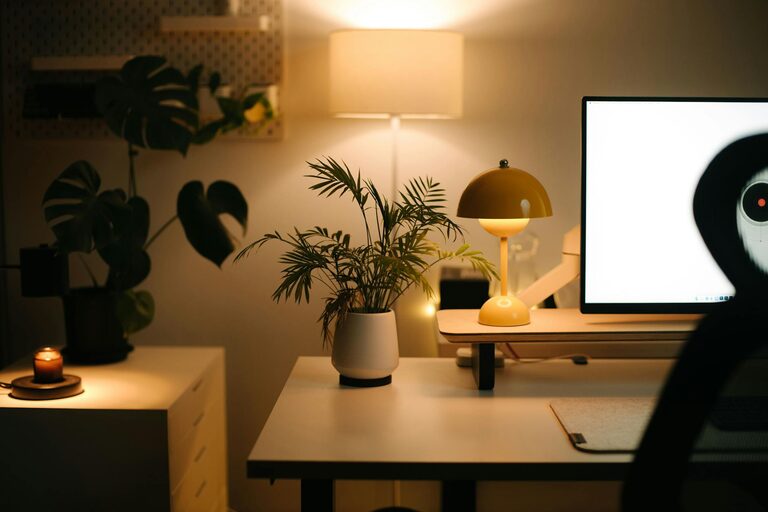
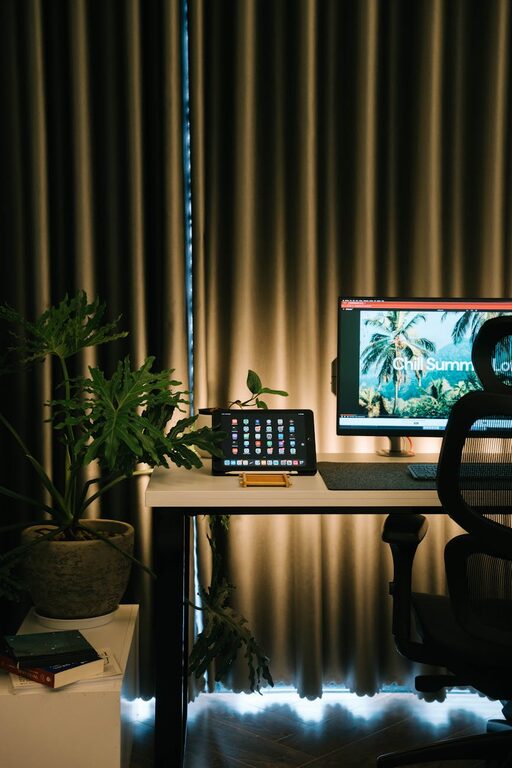
– Add Plants: Indoor plants improve air quality, reduce stress, and add a natural touch to your room.
– Use Colors Wisely: Soft, calming colors like blues, greens, or neutrals help create a relaxed atmosphere, while pops of brighter colors can boost energy.
Remember to keep personalization balanced so it doesn’t interfere with your focus.
Optimize Lighting
Lighting plays a crucial role in your workspace atmosphere and productivity.
– Layer Lighting: Combine ambient lighting (like ceiling lights) with task lighting (such as desk lamps) to avoid eye strain.
– Avoid Glare: Position screens to minimize glare from windows or lights.
– Use Warm Light: Warm-toned bulbs create a cozy environment, perfect for long work sessions.
Consider dimmable lights to adjust brightness depending on the time of day.
Organize and Declutter
A tidy workspace helps clear your mind and reduces distractions. Try these tips:
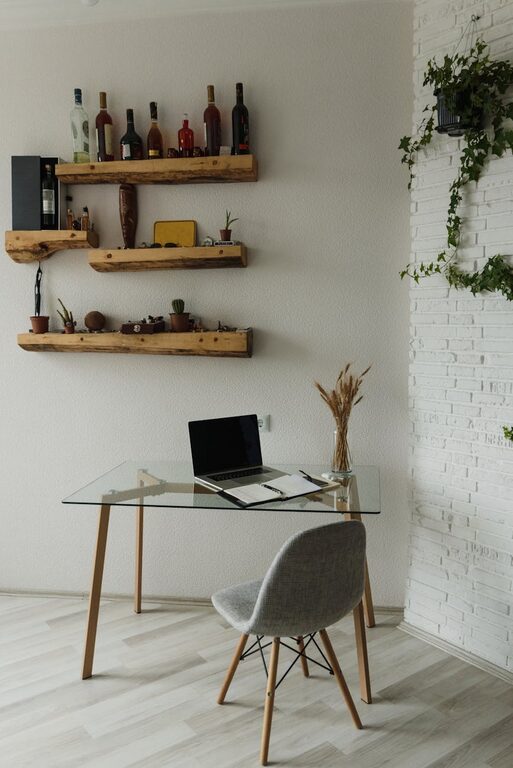
– Use Storage Solutions: Drawers, shelves, and organizers keep supplies within reach but out of sight.
– Regularly Clear Your Desk: Keep only essentials on your desk surface to prevent clutter.
– Cable Management: Use clips or sleeves to keep cords neat and prevent knots.
Set aside a few minutes daily to maintain order and prevent buildup.
Incorporate Comfort Items
Small additions can make your workspace feel more inviting and help you relax during breaks.
– Soft Textiles: A cozy throw blanket or a cushioned seat pad adds warmth and comfort.
– Aroma: A subtle diffuser with essential oils like lavender or eucalyptus can create a calming environment.
– Personal Mug or Water Bottle: Staying hydrated is important; having a favorite cup nearby adds a personal touch.
These elements contribute to a space that feels more like your own.
Create Zones for Productivity and Relaxation
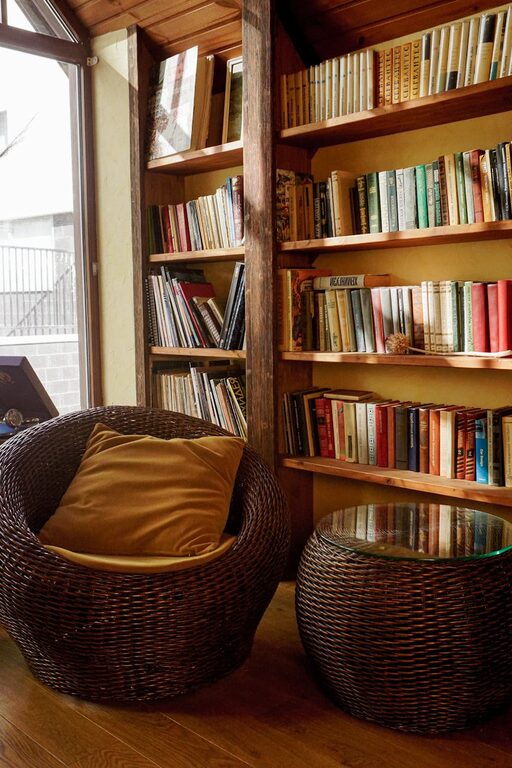
If space allows, differentiate between work tasks and short breaks by creating separate zones.
– Work Zone: Focused area with your computer, notebook, and supplies.
– Break Zone: A small comfy chair or a corner with a book or headphones to recharge.
This separation helps your brain switch between working and resting modes, improving overall efficiency.
Establish a Routine and Boundaries
A cozy workspace supports your routine, but you also need to set boundaries to maintain work-life balance.
– Set Work Hours: Define when your workday starts and ends to prevent burnout.
– Signal “Office Hours”: Using a sign, door closed, or specific lighting can indicate when you’re working.
This way, your workspace becomes a true retreat for concentration and comfort during working hours, and a place to disconnect after.
—
With a little effort and creativity, anyone can transform their home workspace into a cozy and inviting environment. Remember, the goal is to create a space where you feel comfortable, focused, and motivated. Experiment with these tips and adjust them to fit your preferences and needs. Happy decorating and productive working!
About the Author