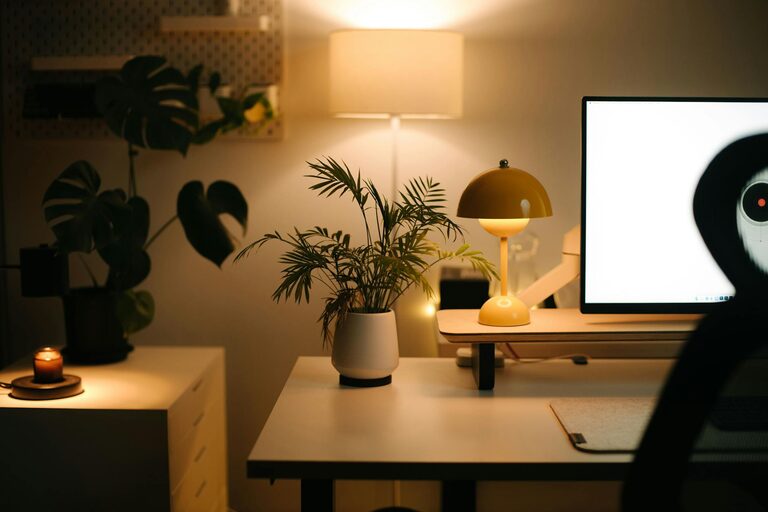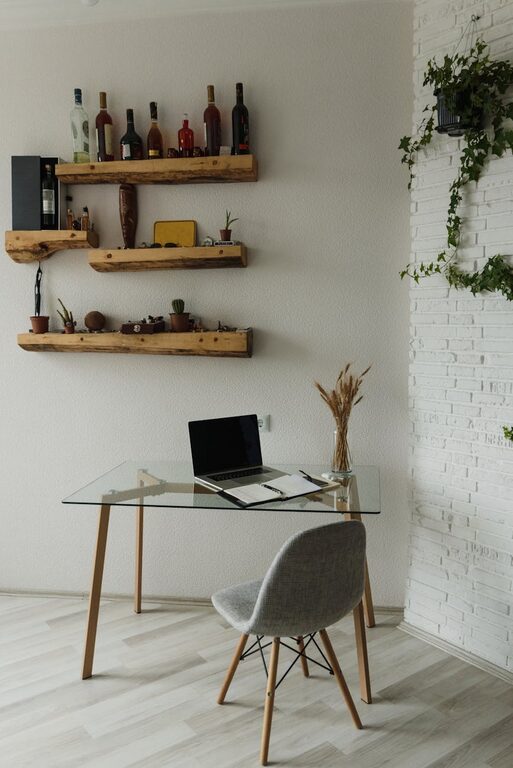
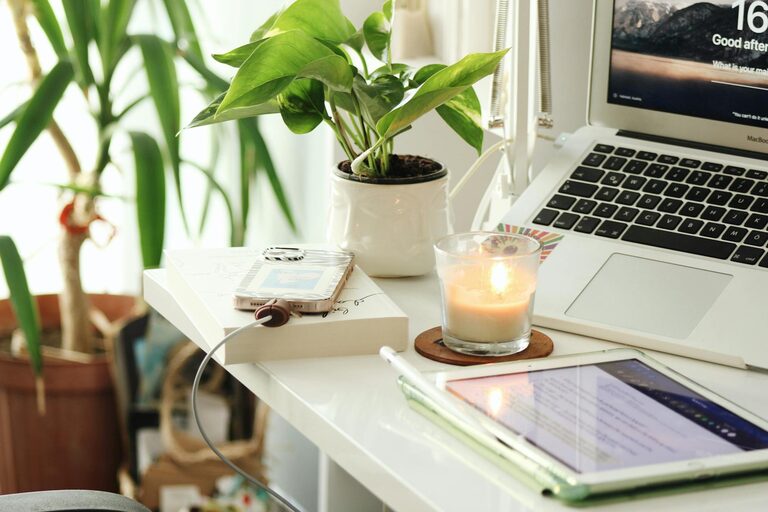
Creating a home office that’s both cozy and productive can greatly enhance your work-from-home experience. A well-designed space helps you stay focused, reduces stress, and boosts your creativity. Whether you have a dedicated room or a small corner, these tips will help you build a comfortable and efficient home office tailored to your needs.
1. Choose the Right Location
Selecting the best spot for your home office sets the foundation for comfort and productivity.
– Natural Light: Aim for a location with plenty of natural light. Sunlight improves mood and energy levels.
– Quiet Space: Pick a quiet area away from high-traffic zones or noisy appliances.
– Good Ventilation: Fresh air supports concentration and keeps the room pleasant.
If space is limited, a nook in your living room or bedroom can work well with proper planning.
2. Invest in Ergonomic Furniture
Comfort matters when you spend several hours working.
– Chair: Choose an adjustable chair with good lumbar support to prevent back strain.
– Desk: Select a desk at a height where your arms rest comfortably while typing.
– Footrest: Consider a footrest if your feet don’t touch the floor to maintain good posture.
Ergonomic furniture encourages healthy sitting habits and reduces physical discomfort.
3. Organize Your Space Efficiently
Clutter can distract and drain your focus. Stay organized to keep your mind clear.
– Storage Solutions: Use shelves, filing cabinets, or storage bins to keep supplies neat.
– Minimalism: Keep only essentials on your desk to avoid distractions.
– Cable Management: Use clips or cable sleeves to keep wires tidy and prevent tangling.
Organized spaces save time finding materials and help maintain a calm atmosphere.
4. Personalize Your Workspace
Adding personal touches can make your office feel welcoming and motivating.
– Decor: Hang artwork, inspirational quotes, or plants to brighten the room.
– Color Scheme: Choose calming colors like soft blues or greens to promote focus and relaxation.
– Comfort Items: Incorporate cozy blankets, cushions, or a small rug.
Personalization creates a space you enjoy spending time in, boosting your overall mood.
5. Use Proper Lighting
Lighting affects both comfort and productivity.
– Task Lighting: Use a desk lamp with adjustable brightness to reduce eye strain.
– Ambient Light: Combine natural light with soft overhead lighting for balanced illumination.
– Avoid Glare: Position your screen to avoid reflections and bright spots.
Good lighting reduces fatigue and helps you work efficiently during different times of day.
6. Minimize Distractions
A distraction-free environment helps maintain concentration.
– Noise Control: Use noise-canceling headphones or white noise machines if needed.
– Phone and Notifications: Silence non-work-related alerts during focus periods.
– Defined Work Hours: Set clear boundaries with family members or housemates.
Creating boundaries and managing distractions improves your work quality and overall satisfaction.
7. Incorporate Greenery
Plants can boost creativity and reduce stress.
– Low-Maintenance Plants: Choose options like succulents, snake plants, or pothos that need minimal care.
– Air Quality: Plants help freshen the air, creating a healthier workspace.
– Visual Appeal: Greenery softens the look of tech-heavy desks and adds a touch of nature.
Adding plants contributes to a peaceful, inviting atmosphere.
8. Maintain a Comfortable Temperature
Temperature influences focus and comfort.
– Control Climate: Use a fan, heater, or air conditioning to maintain a pleasant temperature.
– Layered Clothing: Dress in layers so you can adjust according to room conditions.
– Ventilation: Open windows when possible to bring in fresh air.
Regulating temperature helps you stay comfortable during long work sessions.
9. Use Technology Wisely
Equip your office with tools that enhance productivity.
– Reliable Internet: Prioritize a strong, stable internet connection.
– Organizational Apps: Use calendars, task managers, or note-taking apps for efficient planning.
– Backup Power: Consider a battery backup or surge protector to avoid disruptions.
Right technology choices keep your workflow smooth and reduce frustration.
10. Take Regular Breaks and Move
A cozy space is also one that encourages health.
– Break Schedule: Use timers or apps to remind you to take short breaks.
– Stretching: Stand up, stretch, or walk around to reduce stiffness.
– Eye Care: Follow the 20-20-20 rule—every 20 minutes, look at something 20 feet away for 20 seconds.
Healthy habits help sustain your energy and focus throughout the day.
—
Final Thoughts
Designing a home office that’s both cozy and productive is about balancing comfort with functionality. By paying attention to location, furniture, lighting, and organization, you can create a space that supports your work and wellbeing. Add personal touches and practice healthy work habits to make your home office a place you look forward to spending time in every day.
About the Author